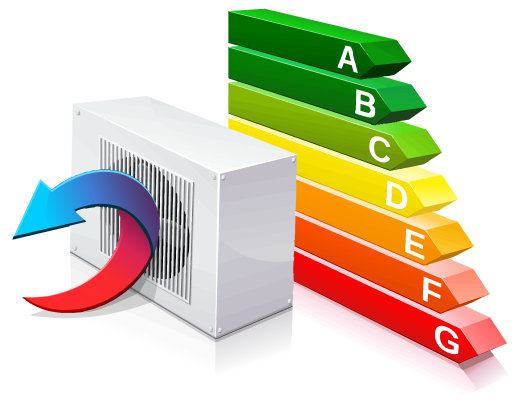
Buildings offer some of the greatest potential for energy efficiency improvements, and household behaviour has a direct influence on energy use in this area.
Thermal Insulation: Preventing heat loss.
Heating and Cooling Systems: Using efficient boilers, heat pumps and air conditioners.
Lighting: Switching to LED lighting and using smart lighting systems.
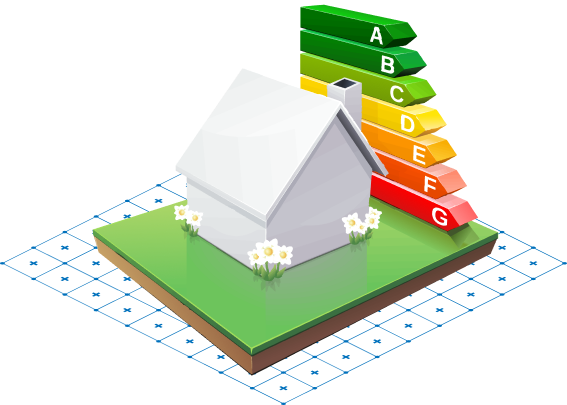
Energy Performance Certificate: Classifying the energy performance of buildings.
What Is Thermal Insulation?
We heat our homes in winter using fuels such as coal and natural gas, and cool them in summer using air conditioners. Thermal insulation reduces the amount of energy needed to heat homes in winter and keep them cool in summer, helping to create more comfortable living environments. Thermal insulation refers to the measures applied to reduce heat transfer between living spaces at different temperatures and their surroundings. It enables building occupants to heat or cool their homes using less energy, helps reduce environmental pollution and extends the life of the building by protecting it from internal and external factors.
Benefits of Thermal Insulation
Thermal insulation applied in accordance with applicable regulations:
Can reduce heating and cooling costs by approximately half, making it easier to keep buildings warm in winter and cool in summer.
Helps reduce environmental pollution and global warming by lowering fuel consumption and associated emissions.
Helps reduce Türkiye’s dependence on imported energy through improved energy efficiency.
Helps prevent corrosion of the steel reinforcement within concrete and protects the structural integrity of the building.
Helps prevent condensation, which can cause mould, black stains and fungal growth in homes.
Creates healthier and more comfortable living spaces by maintaining balanced indoor temperatures.
Where Is Thermal Insulation Applied?
Thermal insulation is applied to walls, roofs and floors that face the outdoors or unheated areas such as garages and storage spaces. It is also applied to components of heating, cooling and ventilation systems. Heat loss through windows in winter can also be reduced by using double or triple glazed insulating glass units with at least one specially coated Low E or Solar Low E pane and insulated window frames. In summer, these systems limit solar heat entering the building without reducing access to daylight.
How Is Thermal Insulation Applied?
Thermal insulation is applied by installing specially designed materials with low thermal conductivity on roofs, floors, walls and building services in accordance with appropriate technical requirements. Window insulation is provided through insulating glass units made with specially coated Low E or Solar Low E glass and insulated window frames. Thermal insulation should preferably be applied to the exterior of a building. Where this is not possible, it may be applied internally.
What Are Thermal Insulation Materials?
Thermal insulation materials are lightweight materials that provide high resistance to heat transfer and are used to reduce heat loss and heat gain. The materials commonly used in Türkiye include:
For walls, floors and roofs: glass wool, rock wool, expanded polystyrene foam, extruded polystyrene foam, polyurethane foam and wood wool.
For windows: high performance insulating glass units containing Low E coated glass, or insulating glass units with high thermal and solar control performance containing Solar Low E coated glass, together with insulated window frames.
For building services such as air ducts, pipes and valves: glass wool, rock wool, polyethylene foam, elastomeric rubber foam, polyolefin foam and polyurethane foam.
Greater Insulation Thickness Means Greater Energy Savings
In most insulation projects, many costs do not depend on the thickness of the insulation material. These include scaffolding, electricity and water infrastructure, adhesives, plaster, fixings, mesh, paint, exterior finishes and labour. As insulation thickness increases, so does the level of energy efficiency achieved. Doubling the insulation thickness results in only a limited increase in total project cost, while delivering significantly greater savings in heating and cooling. Although the additional cost varies between projects, increasing the thickness of the insulation material generally represents a relatively small share of the total cost. Insulation boards should therefore be installed at the greatest thickness permitted and required under the applicable regulations. The required thickness varies according to the insulation material and climate zone. For example, insulation thicknesses for exterior walls are generally:
6 to 8 cm in warmer regions such as Antalya and İzmir
8 to 10 cm in temperate regions such as İstanbul
10 to 12 cm in colder regions such as Ankara
13 to 15 cm in very cold regions such as Erzurum
What You Should Know When Buying or Renting a Home or Insulating an Existing BuildingA Majority Vote Is Sufficient for Thermal Insulation Works in Apartment Buildings
Under Article 16 of Energy Efficiency Law No. 5627, published in the Official Gazette dated 2 May 2007 and numbered 26510, and with reference to Article 42 of Condominium Law No. 634, thermal insulation may be carried out upon the request of one of the flat owners and following a decision approved by a majority of flat owners in terms of both number and land share.
The Energy Performance Certificate Should Be Checked
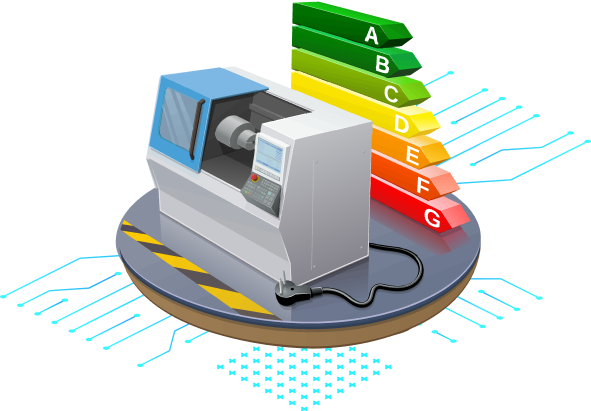
Always check the Energy Performance Certificate when buying or renting a home. The Energy Performance Certificate shows the amount of energy consumed by a building and the level of greenhouse gas emissions associated with global warming and climate change. It must be displayed in a visible location within the building. The certificate allows prospective buyers and tenants to understand the likely fuel and electricity costs of a building, as well as its environmental impact, based on its energy performance. The Energy Performance Certificate classifies a building’s energy consumption and greenhouse gas emissions from A to G. The classification is based on the minimum requirements set out in the regulations in force during the year in which the building was constructed. A building’s energy class is determined by comparing its calculated energy consumption with the consumption that would result if the same building were constructed in the same location in accordance with the applicable legal requirements. Class G buildings represent the lowest level of performance and have very high energy consumption and greenhouse gas emissions. Class A buildings have the highest level of energy performance and consume at least 61 percent less energy than the minimum level required by law.
Energy Class
Energy Performance Index (EPI)
Description
A
0-39
Consumes no more than 39% of the minimum energy performance requirement.
B
40-79
Consumes between 40% and 79% of the minimum energy performance requirement.
C
80-99
Consumes between 80% and 99% of the minimum energy performance requirement.
D
100-119
Consumes between 100% and 119% of the minimum energy performance requirement.
E
120-139
Consumes between 120% and 139% of the minimum energy performance requirement.
F
140-174
Consumes between 140% and 174% of the minimum energy performance requirement.
G
>175
Consumes more than 175% of the minimum energy performance requirement.
Frequently Asked Questions
We live in a hot region. Should we install thermal insulation?
Thermal insulation reduces the energy and fuel required to heat a building in winter and keep it cool in summer, while also creating a more comfortable living environment. As cooling a building can require more energy than heating it, thermal insulation is also important in warm climate regions. For windows, insulating glass units with high thermal and solar control performance should be used. Solar Low E coated glass can reduce solar heat gain in summer by 40% compared with standard insulating glass.
Should building walls be insulated externally or internally?
Although the appropriate method depends on how the building is used, external thermal insulation should generally be preferred to protect the structure. When insulation is applied externally, the entire façade is covered with insulation materials. This helps prevent thermal bridges and condensation and reduces the risk of mould and fungal growth on internal surfaces. Internal insulation may be considered where spaces need to be heated or cooled quickly or where external insulation cannot be applied.
Our building is particularly cold on the north side. Would insulating only the north façade be sufficient?
Thermal insulation should be applied continuously across the entire building. Insulating only one façade will not prevent heat loss, condensation, mould or fungal growth on the remaining uninsulated façades. All building components, including the roof, walls, floors, projections, glazing and window frames, should therefore be insulated as an integrated system.
Can I install thermal insulation myself or ask a tradesperson I know to do it?
The building should first be assessed by qualified specialists. Thermal insulation measures intended to resolve the identified problems should be carried out by insulation companies with the necessary technical expertise. The workers carrying out the installation must also hold the required Vocational Qualification Certificate.
Water is entering through our exterior façade. Can applying plaster or bitumen provide a permanent solution?
The source of the water entering the external wall should first be identified and appropriate measures should be taken. Where there are no visible deep cracks or gaps in the wall, but the internal surface shows blistering plaster, black stains, mould or similar signs, this may indicate inadequate thermal insulation. In such cases, the problem should primarily be addressed by applying external thermal insulation. Where water enters only during rainy weather, cracks or gaps in the building envelope should be repaired using waterproof materials.
Bituminous coatings should not be applied to the exterior façade.